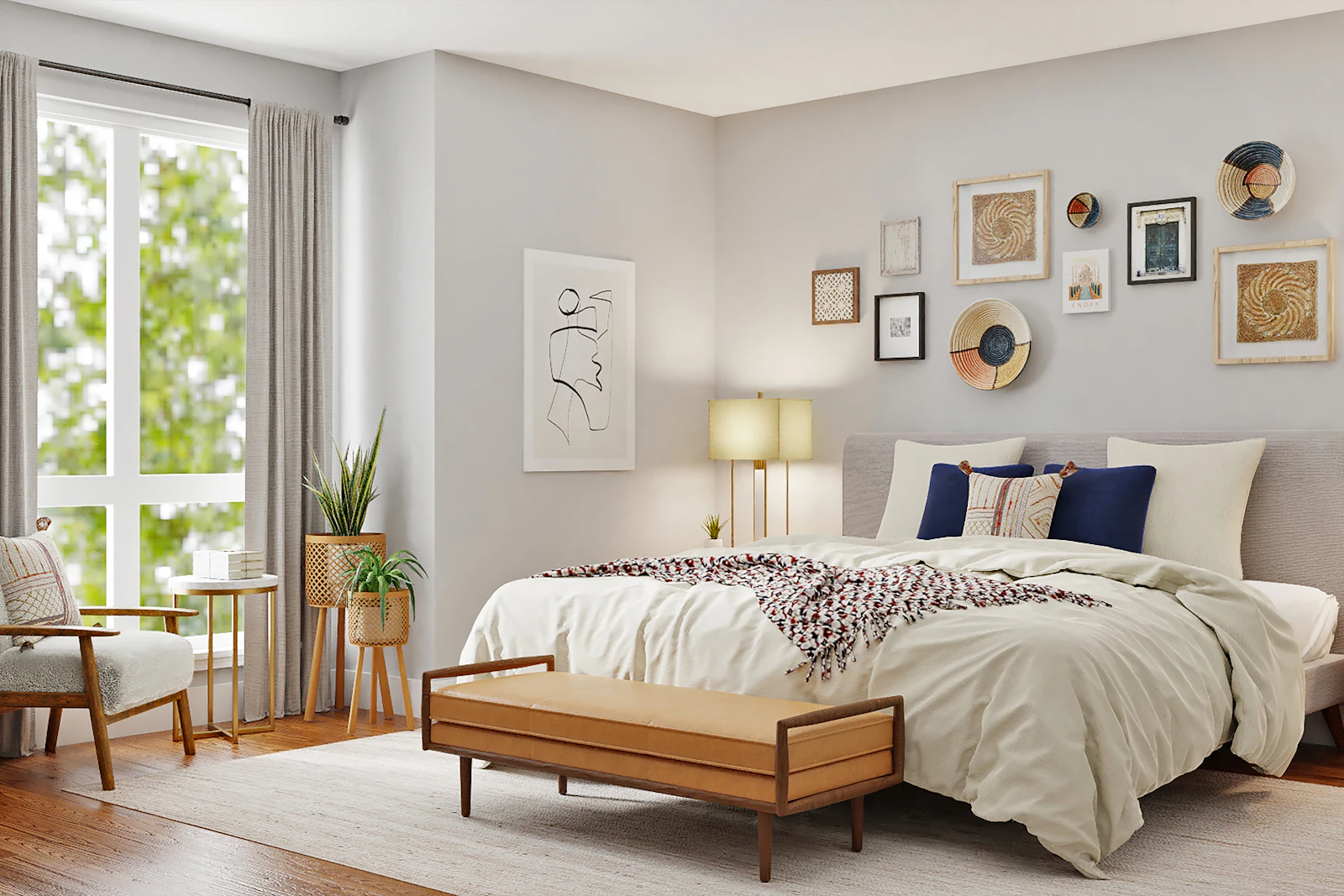
Prepare your home for short-term rental step by step: cleaning, repairs, furniture, safety, self check-in and supplies, plus a printable prep checklist.
Updated October 2026. Written and reviewed by the STR Market Superhost team.
Turning your home into a short-term rental is mostly a physical job. Before a single guest arrives, every room has to be cleaned, cleared, furnished, stocked and made safe, and the front door has to work without you standing next to it.
This guide walks through that prep in the order we would do it, room by room, with a printable-style checklist at the end. It covers the house itself. For the paperwork side (permits, insurance, taxes) see our short-term rental startup checklist, and for the Airbnb listing flow see how to add your listing on Airbnb.
Check your local short-term rental rules, your lease or HOA rules and your insurance before you spend money on furniture. Some cities require a permit or registration number before you can list, and some buildings ban short stays outright. Our Airbnb rules and taxes by city guide is a good starting point, and Airbnb lists the main issues to research in its legal and regulatory guidance for hosts.
Then decide exactly what guests get: the whole home, or a private room with shared spaces. Walk through as if you were the guest and note every door they will open. Any closet, garage or room that stays private needs a keyed lock, and should be described in the listing so nobody is surprised.
A guest-ready home is cleaner than a lived-in home. Do one professional-level deep clean before launch, then build your regular turnover routine from it.
Our short-term rental cleaning guide covers the turnover routine, and Airbnb cleaning cost explains what to budget if you hire it out.
Small faults that you have learned to live with become bad reviews. Spend a full day testing the house the way a guest would.
| Check | What to look for |
|---|---|
| Plumbing | Running toilets, slow drains, hot water that runs out, low shower pressure |
| Heating and cooling | Every room reaches a comfortable temperature; filters are clean; the thermostat is simple to use |
| Lighting | A working lamp by every bed, no dead bulbs, outdoor lights on the path to the door |
| Doors and windows | Every exterior door locks; windows open, close and lock; blinds and curtains work |
| Appliances | Fridge, oven, microwave, dishwasher, washer and dryer all work; manuals are kept in one place |
| Noise | Squeaky floors, rattling vents and thin doors near bedrooms |
If you plan to manage remotely, add a few smart devices now. A smart thermostat such as the Google Nest Thermostat lets you fix temperature complaints from your phone, and water leak sensors under sinks and the water heater warn you before a small leak becomes a ceiling repair.
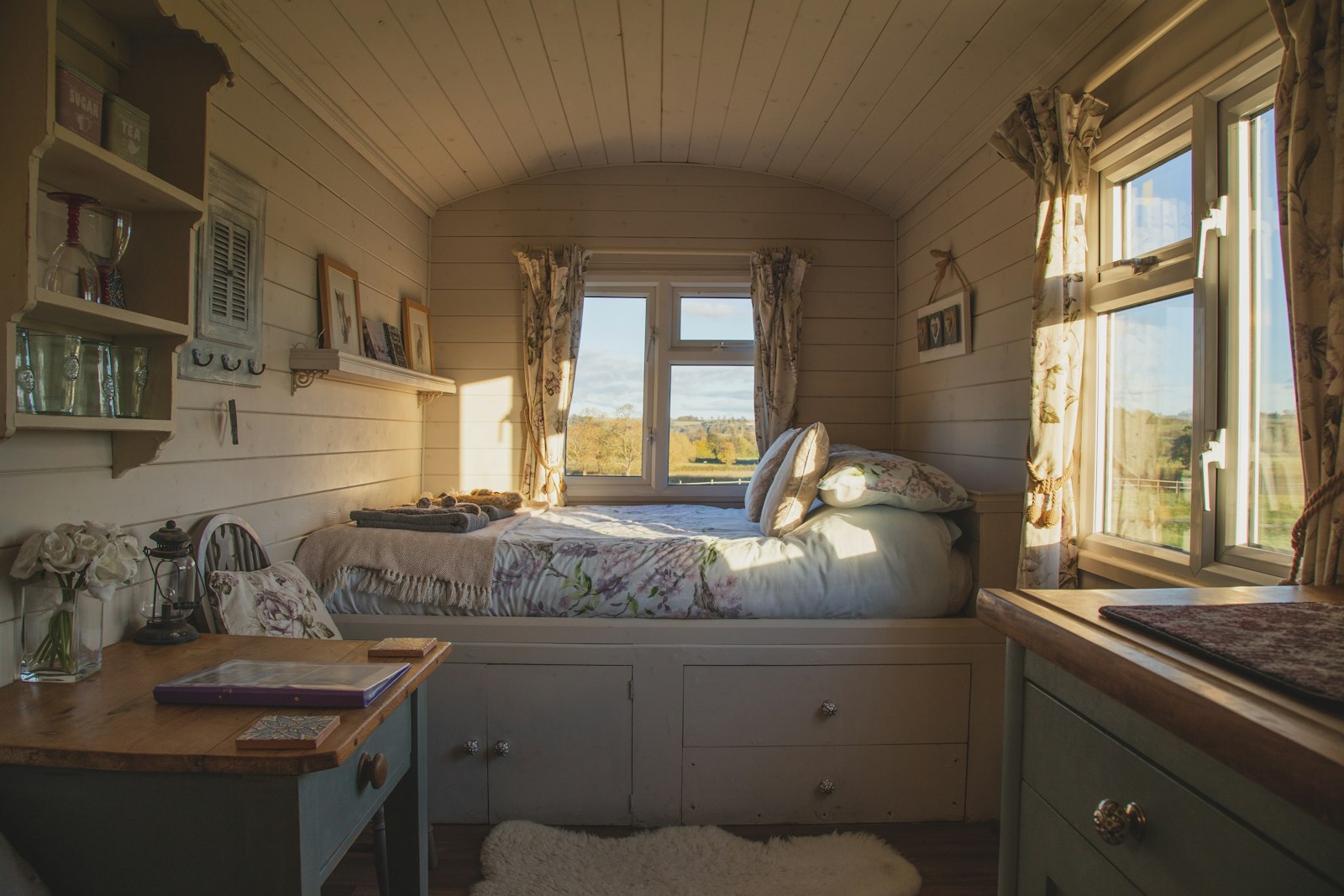
Guests remember the bed more than anything else. Spend the most on mattresses, pillows and linens, and choose hard-wearing, easy-to-clean pieces everywhere else.
If you want to skip shopping room by room, our host kits group the items above into ready-made bundles, and the products directory lists individual items hosts use.
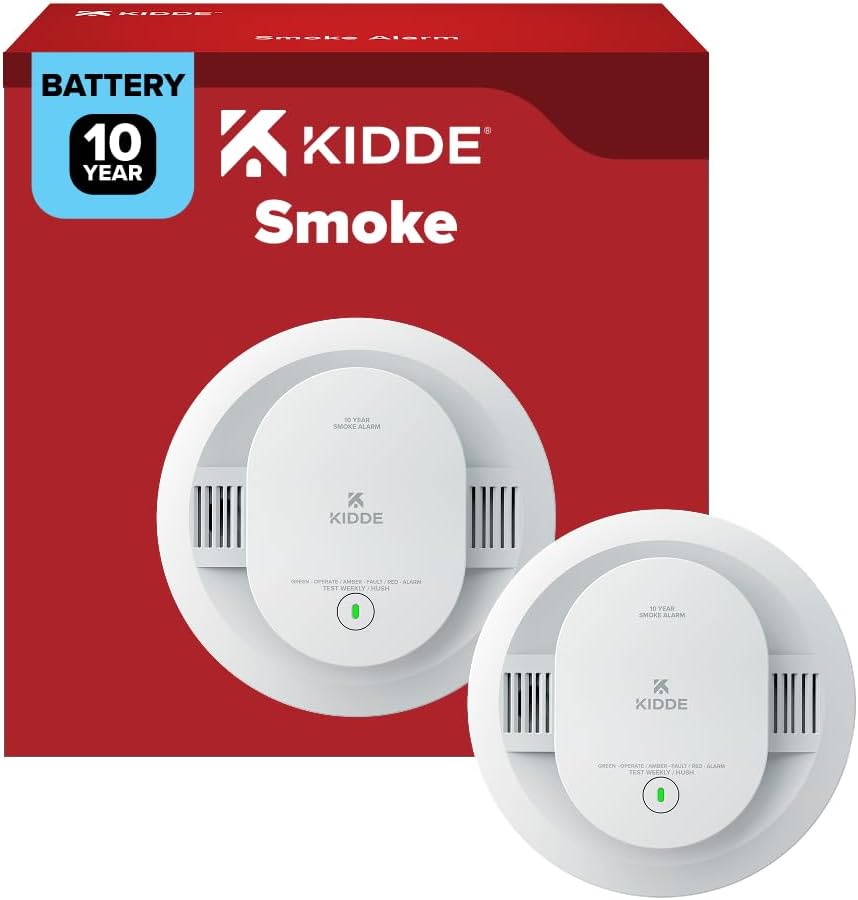
Safety is the one area where you should not cut corners. Local fire and building codes set the minimum, so check them, but most hosts cover these basics:
Disclose any safety devices and any outdoor cameras in your listing. If you are worried about parties, a privacy-safe noise monitor such as Minut measures sound levels without recording audio. Our party prevention guide covers the rest.
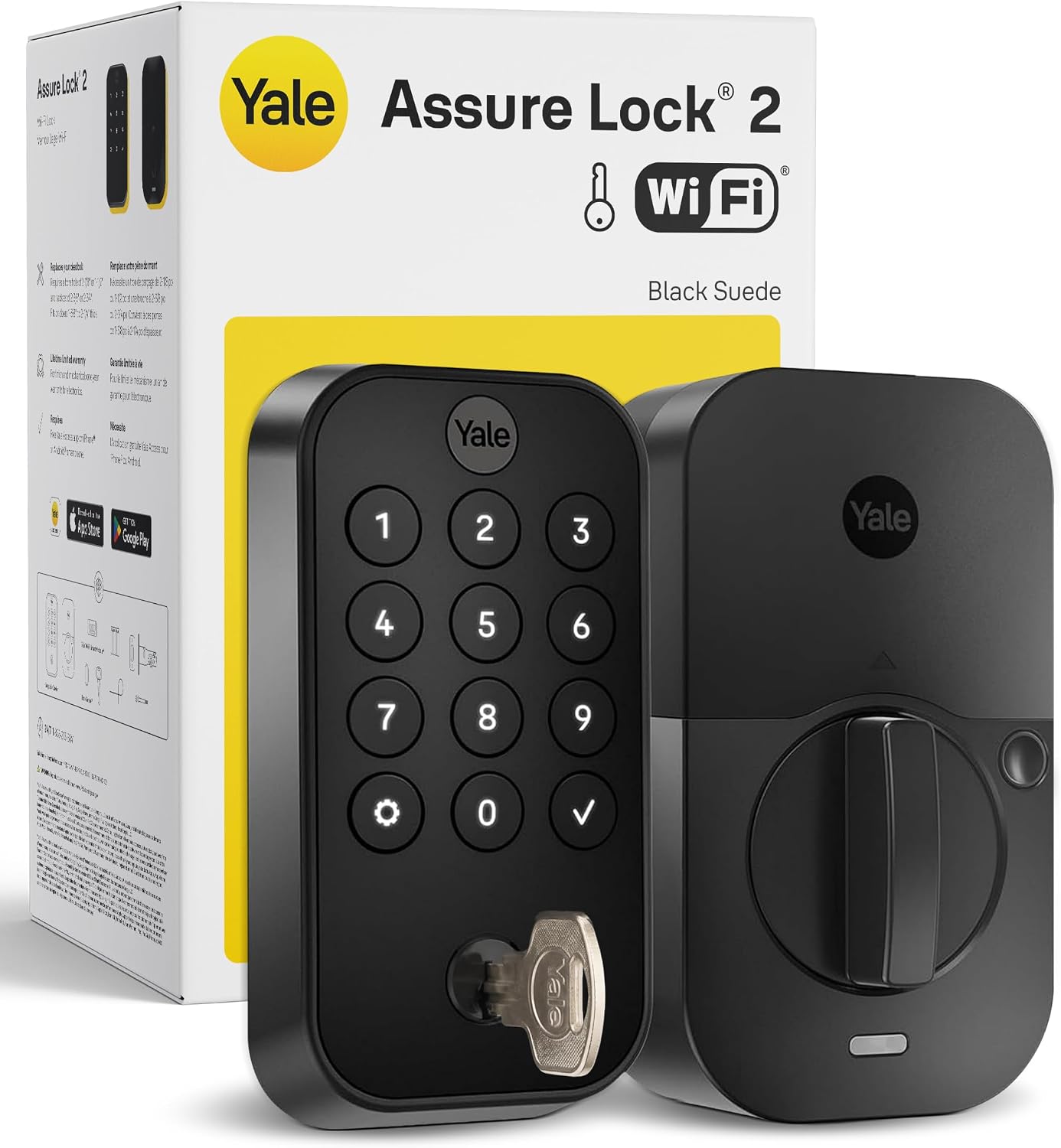
Self check-in means guests can arrive late, flights can be delayed and you do not have to wait at the door. A keypad smart lock is the easiest option because you can give every guest a unique code that expires at checkout. Compare options in our best smart locks for Airbnb roundup. A key lock box is a low-cost backup.
Plan for at least two full sets of linens and towels per bed (one on the bed, one in the wash), and three if you have back-to-back turnovers. Then stock the consumables guests expect:
| Area | Stock |
|---|---|
| Bathroom | Toilet paper (with backups), hand soap, shampoo, conditioner, body wash, hair dryer, bath mat, spare towels |
| Kitchen | Dish soap, sponge, dishwasher pods, paper towels, trash bags, coffee, tea, salt, pepper and cooking oil |
| Bedroom | Spare blankets and pillows, hangers, luggage rack |
| Cleaning | Vacuum, broom, mop, all-purpose cleaner and laundry detergent for longer stays |
| Extras | Phone chargers, a flashlight, an umbrella and a few local recommendations |
Our Airbnb essentials checklist has the full list, and amenities that increase bookings shows which upgrades are worth adding later.
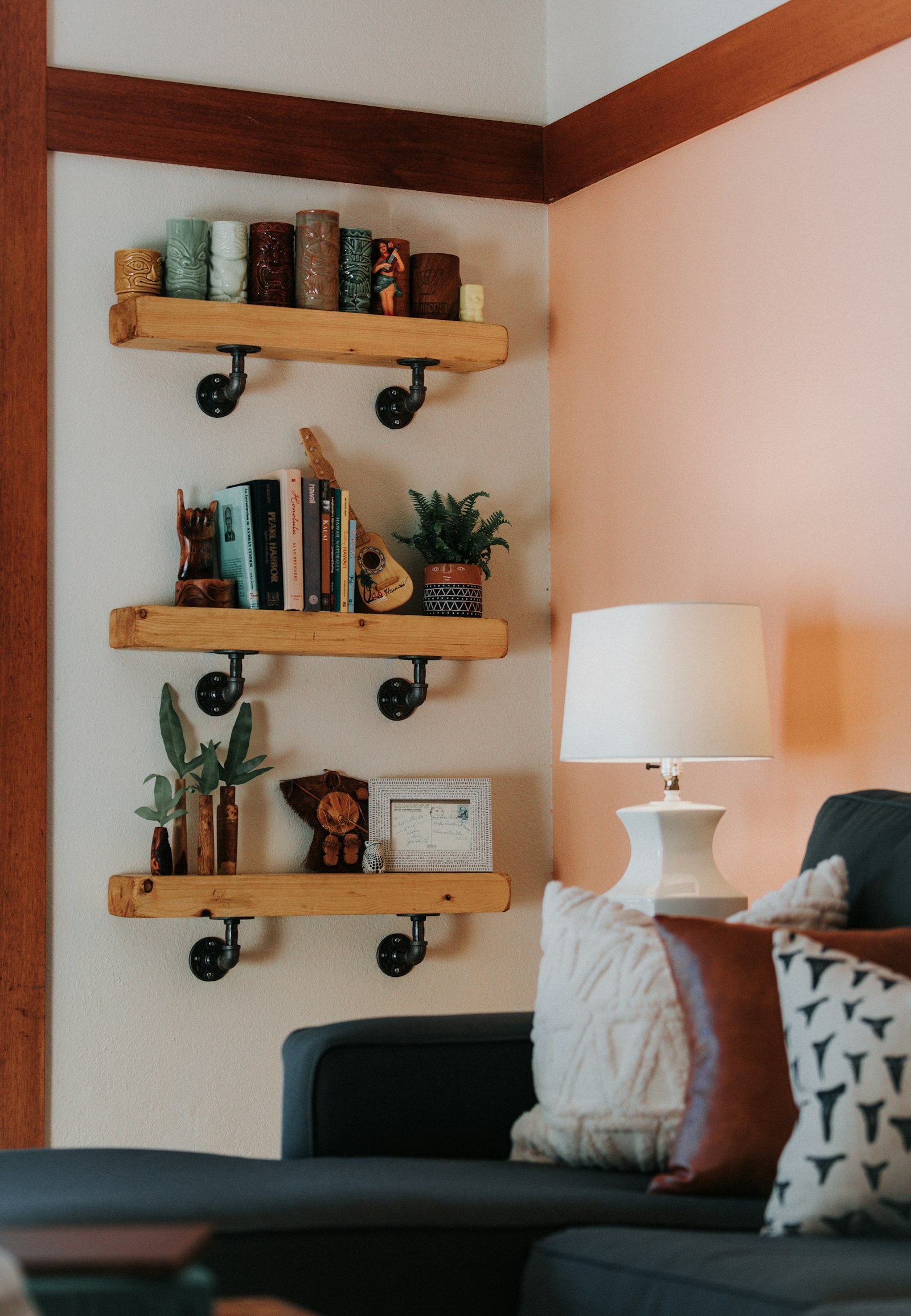
Once the home is finished, capture it while it is at its best.
| Done | Task |
|---|---|
| ☐ | Confirmed local rules, HOA or lease, and insurance |
| ☐ | Deep cleaned and decluttered every room |
| ☐ | Valuables locked away or removed |
| ☐ | Plumbing, heating, cooling and appliances tested |
| ☐ | Mattresses, protectors, pillows and two to three linen sets per bed |
| ☐ | Smoke and CO alarms, fire extinguisher and first aid kit installed |
| ☐ | Smart lock or lock box set up and tested |
| ☐ | Wi-Fi tested in every room |
| ☐ | Bathroom, kitchen and cleaning supplies stocked |
| ☐ | House rules, checkout steps and guidebook written |
| ☐ | Photos taken |
| ☐ | Test night completed |
For a home that is already furnished, plan on two to four weeks to clean, repair, buy supplies and set up tech. A home that needs furnishing from scratch usually takes longer, mostly because of delivery times for beds and sofas.
Remove anything personal, valuable, fragile or irreplaceable: documents, jewelry, medication, family photos and heirlooms. Clear space in closets and drawers so guests can unpack, and keep your own items in a locked owner's closet.
It is not required, but it makes self check-in much easier and lets you give every guest a unique code. A lock box is a cheaper alternative. Whatever you use, test it before every stay and keep a backup way in.
At least two full sets per bed, so one can be washed while the other is in use. Three sets per bed is safer if you have same-day turnovers or a slow laundry service.
You can ask for reasonable things, like turning off appliances, but Airbnb's community policy says hosts should not require tasks a cleaner would usually do, such as stripping beds, washing dishes or taking trash off site. The update applies to reservations booked on or after November 20, 2026.
Ready to shop? Browse our host kits and products directory, or find tools to run the place in the software directory.
