
October 23, 2026

The Essential Short-Term Rental Startup Checklist for 2026

A step-by-step short-term rental startup checklist for 2026: market research, permits, insurance, taxes, setup, systems, launch and your first 90 days.

Updated October 2026. Written and reviewed by the STR Market Superhost team.

Most short-term rental problems start before the first booking: a market that cannot support the price you need, a permit nobody applied for, an insurance policy that does not cover paying guests, or bookkeeping that becomes a mess at tax time.

This checklist covers the business side of launching a short-term rental, in the order to tackle it, from the first numbers to your first 90 days of hosting. It pairs with our hands-on guide to preparing your home and our walkthrough of adding your listing on Airbnb.

Quick answer: the startup checklist at a glance

PhaseWhat to get doneDone when
1. ResearchMarket demand, comparable listings, realistic revenue and costsThe numbers work at a conservative occupancy
2. LegalLocal rules, permit or registration, HOA, lease or mortgage termsYou have written permission or a permit number
3. ProtectionShort-term rental insurance, safety devices, guest screeningYour policy covers paying guests
4. Business setupSeparate bank account, bookkeeping, tax registrationsEvery dollar in and out is tracked
5. Property setupFurnishing, supplies, self check-in, Wi-FiYou have slept a test night there
6. SystemsPricing, messaging, cleaning schedule, calendar syncA booking can run with no manual steps
7. LaunchPhotos, listing, house rules, first-guest settingsThe listing is live and accurate
8. First 90 daysReviews, pricing tweaks, fixesYou have reviews and a steady routine

Phase 1: research the market and run the numbers

Person writing a list in a notebook
Photo: Glenn Carstens-Peters on Unsplash.

Decide with data, not with the listing you loved on vacation.

  • Look at 10 to 20 comparable listings near you: same bedrooms, similar amenities. Note their nightly rates, how booked their calendars look and what reviews praise or complain about.
  • Use a market data tool to estimate occupancy and nightly rates by season. Our market research tools comparison covers options like AirDNA.
  • Build a simple budget with three columns: one-time setup costs, fixed monthly costs and per-booking costs.
  • Test the numbers at a conservative occupancy, not your best-case month. If it only works when you are fully booked, it does not work.
  • Decide whether you will self-manage or hire help. Our self-managed vs professional management guide and co-host and manager fees breakdown help you price both.

Costs to include in your budget

TypeExamples
One-time setupFurniture, linens, kitchen kit, smart lock, safety devices, photography, permit fees
Fixed monthlyMortgage or rent, utilities, internet, insurance, software subscriptions, streaming
Per bookingPlatform service fee, cleaning, laundry, consumables, payment fees
PeriodicRepairs, replacing linens and towels, deep cleans, occupancy tax filings

To see what Airbnb takes from each booking, try our Airbnb fee calculator.

Phase 2: confirm you are legally allowed to host

This step decides whether the business exists, so do it before you buy anything. Airbnb's own guidance on legal and regulatory issues lists the main areas to research: zoning and local rules, registration or permit requirements, and local taxes.

  • City or county rules: whether short-term rentals are allowed in your zone, any caps on nights per year, primary residence rules and permit or registration requirements.
  • Building or HOA rules: many condo and HOA documents limit or ban rentals under a set number of days.
  • Lease: if you rent, get the landlord's written permission.
  • Mortgage: check your loan terms, especially on a property financed as a primary or second home.
  • Safety and occupancy codes: some cities set occupancy limits or require inspections.

Rules change often and differ street by street, so confirm with your local government. Our Airbnb rules and taxes by city guide and host's guide to tips and regulations go deeper.
Phase 3: insure and protect the property

  • Call your insurer and ask, in writing, whether your policy covers short-term paying guests. Many standard homeowner policies do not.
  • Compare short-term rental specific policies. Providers hosts use include Proper Insurance and Steadily; browse more in legal and insurance tools.
  • Understand what platform protection does and does not cover. It is not a substitute for your own insurance.
  • Install smoke and carbon monoxide alarms, a fire extinguisher and a first aid kit. Our host kits bundle the safety basics.
  • Decide on guest screening and damage protection. See our guest screening and damage protection tools guide.
  • Consider a privacy-safe noise monitor if parties are a risk in your area. Our party prevention guide explains the options.

Phase 4: set up the business side

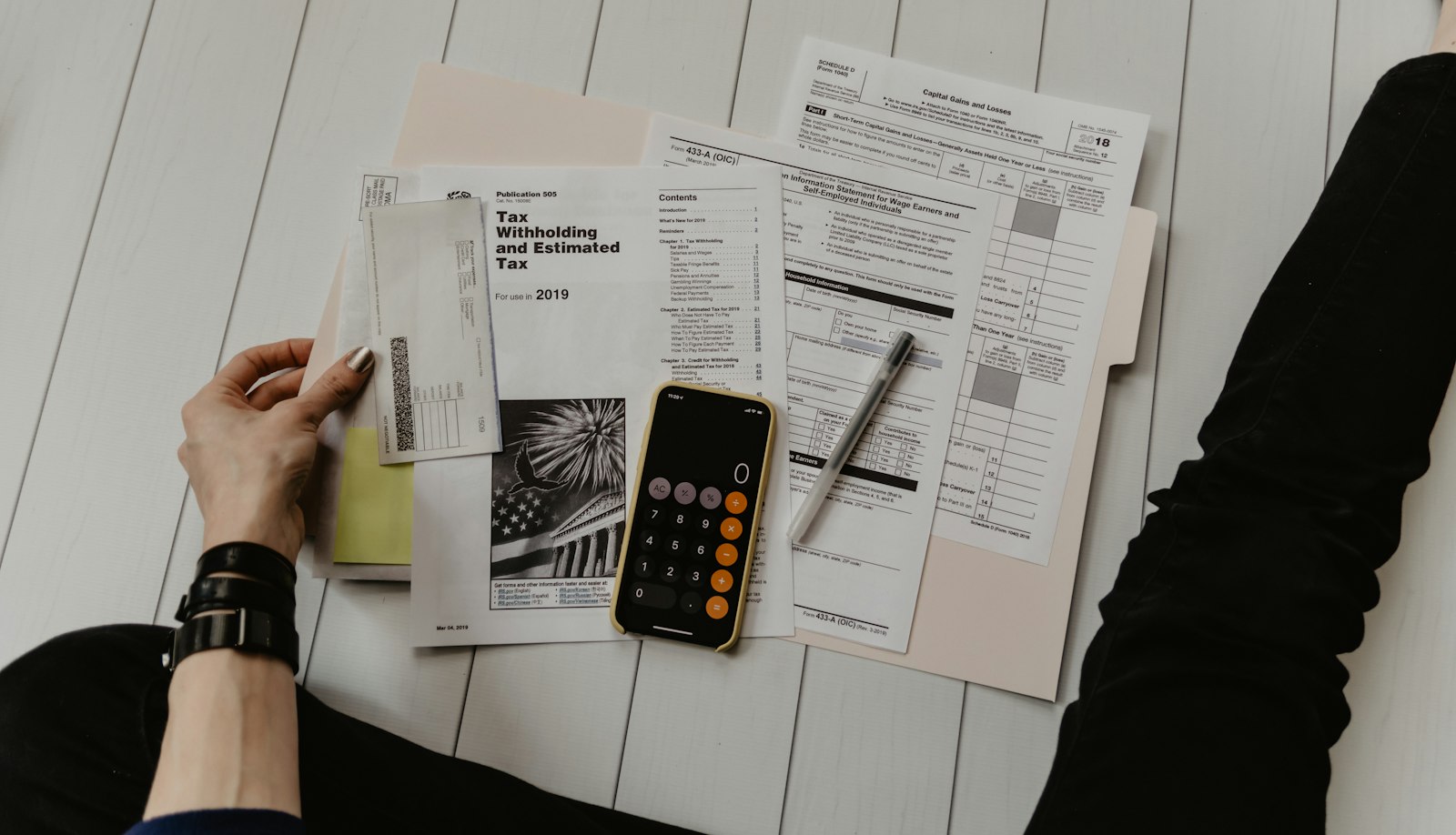
Person holding a paper next to a pen and calculator
Photo: Kelly Sikkema on Unsplash.
  • Open a separate bank account and card for the rental so income and expenses never mix with personal money.
  • Choose how you will track bookkeeping from day one: a spreadsheet for one listing, or an accounting and expense tracking tool as you grow.
  • Keep every receipt for furniture, supplies, repairs and software.
  • Find out which occupancy or lodging taxes apply and whether Airbnb collects them for you. Airbnb lists the areas where it collects and remits taxes; anything it does not collect is your job.
  • Talk to an accountant about income tax, how your property is classified and whether a separate legal entity makes sense for you. The IRS covers the basics of renting out a home you also use in Topic 415.

Phase 5: set up the property

Hand holding house keys in front of a front door
Photo: Jakub Żerdzicki on Unsplash.

This is the hands-on part. Our step-by-step home prep guide covers it room by room. The short version:

Phase 6: build systems before you need them

Hosting gets stressful when every booking needs you to remember something. Set up these systems before launch.

SystemWhat it doesWhere to start
PricingAdjusts nightly rates by season, day of week and local demandDynamic pricing tools
Guest messagingSends confirmations, check-in details and checkout reminders on scheduleAI guest messaging tools
CleaningCreates turnovers from the calendar and notifies cleanersCleaning and maintenance tools
Calendar and channelsKeeps calendars in sync if you list on more than one siteProperty management software
SuppliesRestocks consumables before you run outA par-level list in the owner's closet

For one listing on Airbnb only, Airbnb's own tools may be enough at first. Once you add a second channel or a second property, a property management system usually pays for itself in time saved.

Phase 7: launch the listing

  • Take bright, daytime photos of every room, or book a professional photographer.
  • Write a specific title and a description that answers guests' common questions.
  • Add your permit or registration number if your city requires it.
  • Set house rules and checkout steps. Airbnb's updated community policy says hosts should not require tasks a cleaner would typically do, such as stripping beds, for reservations booked on or after November 20, 2026. Our house rules template helps.
  • Choose who can book your first stay and price slightly below comparable listings to earn early reviews.
  • Follow our Airbnb listing guide for each stage of the flow.

Phase 8: your first 90 days

Person spreading a white bedspread over a bed
Photo: karolina gac on Unsplash.
  1. Be present for the first few stays. Message guests on arrival day and fix anything they mention immediately.
  2. Ask for reviews politely after checkout, and reply to every review, good or bad. Our guide on handling negative reviews helps.
  3. Inspect after each of the first few cleans until you trust your cleaner's routine.
  4. Review pricing every two weeks: raise rates on dates that book fast and lower them on dates that stay empty.
  5. Track your numbers monthly: occupancy, average nightly rate, revenue and costs. See our STR benchmarking metrics guide.
  6. Write down every repeated question from guests and answer it in the guidebook or listing.

Frequently asked questions

What do I need to start a short-term rental?

At minimum: permission to host under local rules and your building or lease, insurance that covers paying guests, a furnished and safe property, a way for guests to get in, and a listing. A separate bank account and a basic bookkeeping system will save you a lot of work at tax time.

How much does it cost to start an Airbnb?

It depends heavily on the property and the market. The main one-time costs are furniture, linens, kitchen equipment, safety devices, a smart lock, photography and any permit fees. Build a budget using the cost categories above and get real quotes before you commit.

Do I need an LLC for my short-term rental?

Not always. Some hosts use a separate legal entity for liability or bookkeeping reasons, and others host in their own name. It depends on your situation, financing and state, so ask an accountant or attorney before you decide.

Do I need a permit to run a short-term rental?

Many cities and counties require a registration, permit or business license, and some limit or ban short-term rentals in certain areas. Check with your local government before you buy or furnish anything.

How long does it take to launch a short-term rental?

If the home is furnished and your area does not require a permit, a few weeks is realistic. Furnishing from scratch or waiting for a permit approval can take much longer.

Related guides

Find the tools to run your rental in our software directory, and stock the property with our host kits.

As an Amazon Associate, STR Market earns from qualifying purchases.