Airbnb Neighbors: How to Build a Good Relationship as a Host
How Airbnb hosts can keep neighbors happy: introductions, house rules, noise and parking fixes, and how to handle complaints before they escalate.
Updated October 2026. Written and reviewed by the STR Market Superhost team.
Your neighbors can be your best early warning system or the reason your permit gets reviewed. In many cities, short-term rental enforcement starts with a neighbor complaint about noise, parking or trash, and Airbnb gives neighbors a direct way to report problems. A good relationship next door protects your business as much as any lock or camera.
The good news is that most neighbor tension comes from a handful of predictable issues, and you can address nearly all of them before they start. This guide covers how to introduce yourself, the house rules and setup that keep the street quiet, how to handle a complaint well, and what to do if a neighbor relationship has already gone sour.
Quick answer: how to keep neighbors on your side
Introduce yourself before or soon after you start hosting, and give neighbors a direct number to reach you or your co-host.
Set and enforce house rules on quiet hours, guest limits, parking and trash.
Screen bookings and use disclosed noise monitors so you hear about problems before neighbors do.
Respond to every complaint quickly, thank the neighbor and follow up after you fix it.
Keep the outside of the home tidy: trash days, landscaping and lighting.
Know and follow your local short-term rental rules, which often require a local contact.
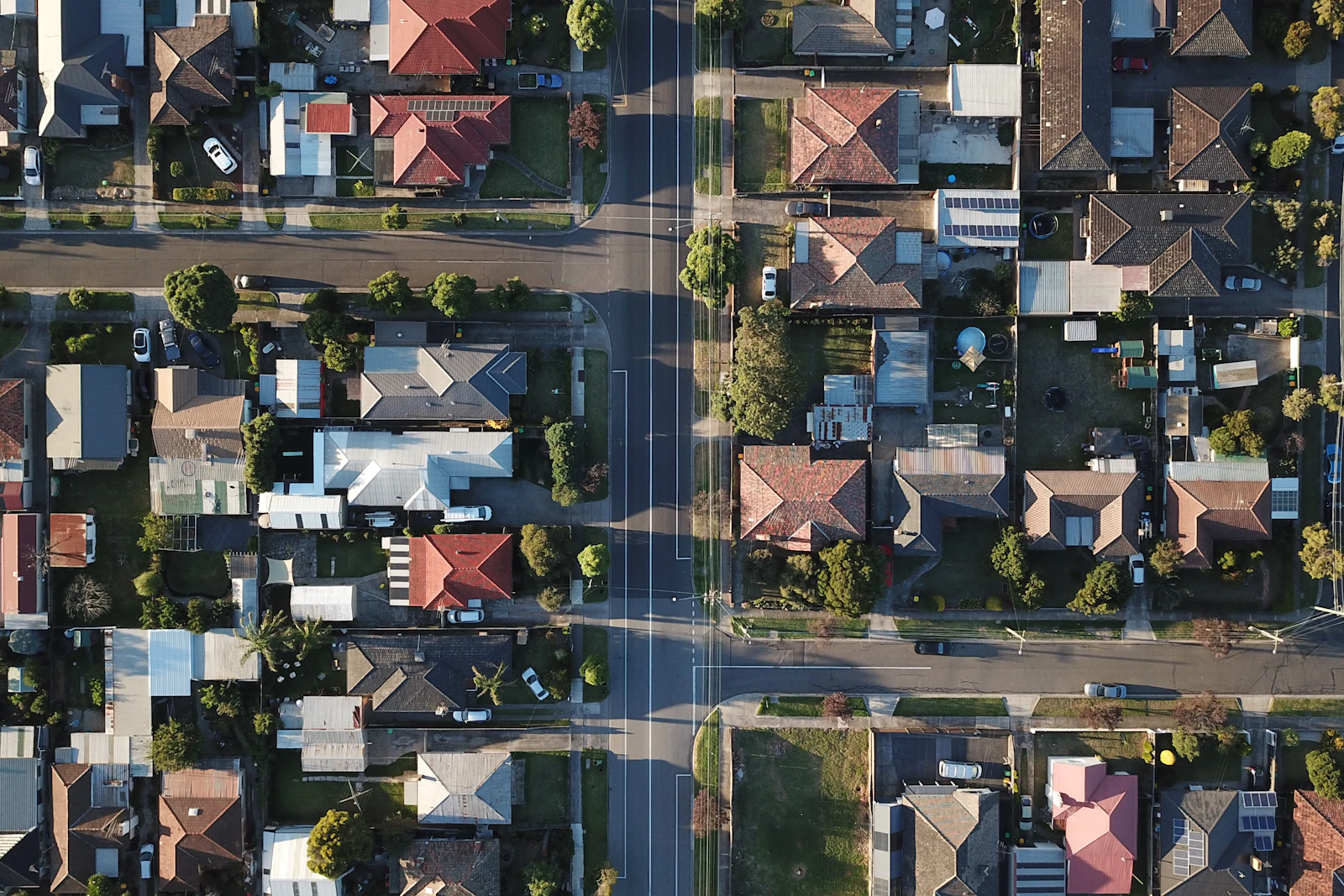
Photo: Jon Tyson on Unsplash
Why neighbor relations matter for hosts
Complaints drive enforcement. Many cities investigate short-term rentals after complaints, and some count violations toward permit suspension. Check how your city handles it in our Airbnb rules and taxes by city guide.
Neighbors can report you directly. Airbnb's Neighborhood Support lets neighbors request a call about a party in progress or report other concerns, which Airbnb investigates.
Airbnb takes disturbances seriously. Its Community Disturbance Policy can lead to warnings, suspensions or listing removal for repeated or severe disruptions.
Friendly neighbors help. They can alert you to a party, a burst pipe, a package left out or a guest locked outside.
The issues neighbors complain about most
Issue
What usually causes it
How to prevent it
Noise
Late-night gatherings, hot tubs, outdoor speakers
Quiet hours, noise monitors, outdoor area hours, clear rules on music
Parking
Too many cars, guests using neighbors' spots or blocking driveways
Vehicle limit in house rules, a parking map in your guidebook
Trash
Overflowing bins, wrong trash day, wildlife getting in
A short, friendly introduction does more than any policy. Before your first booking, or as soon as possible if you already host:
Knock on the doors of your closest neighbors, or leave a note if no one is home.
Explain that you host short stays, who manages the home and how you screen guests.
Give them a phone number that someone will actually answer, ideally 24/7, plus your co-host's details if you have one.
Ask if they have any concerns, such as parking or a shared fence, and listen.
Follow up with a small gesture, such as a thank-you card at the holidays.
Many local rules require a responsible local contact for each rental. Putting that contact in your neighbors' phones is the simplest way to turn a complaint to the city into a text to you.
Photo: Christian Stahl on Unsplash
House rules that protect your neighbors
Your house rules are your main tool. Make them specific and show them before booking:
Quiet hours that match your local ordinance, with extra care for outdoor spaces.
Maximum guests, no unregistered visitors and no parties or events.
Maximum number of vehicles and exactly where to park.
Trash and recycling instructions, including collection day.
Hot tub, pool and fire pit hours.
Smoking rules, including outdoor areas that face neighbors.
Copy wording from our house rules template, and repeat the most important points in your checkout instructions and digital guidebook so guests see them more than once.
Tools that keep the street quiet
Noise monitors: Minut (from $5/month) and NoiseAware ($15/property/month, billed annually) alert you when noise stays high, so you can message guests before neighbors are disturbed. Disclose them in your listing, and keep them out of bedrooms and bathrooms.
Smart locks: unique codes for each stay, so you know when guests arrive and no keys go missing. See the best smart locks for Airbnb.
Respond fast. Thank them for telling you, even if the message is angry.
Act immediately. Message the guest in the Airbnb app, and if it is a party or safety issue, contact Airbnb Support or local authorities.
Close the loop. Tell the neighbor what you did, and follow up the next day.
Fix the root cause. Change a house rule, add a minimum stay, move a speaker, add trash bins or adjust your screening.
Keep a record of complaints and what you did, in case the city or Airbnb asks.
Sample reply to a neighbor
"Thank you for letting me know, and I am sorry about the noise last night. I have contacted the guests and reminded them of our quiet hours, and I will keep an eye on our noise monitor tonight. Please text me anytime at this number. I really appreciate your help."
If the relationship has already gone wrong
Ask to meet in person, listen first and avoid getting defensive.
Agree on specific changes and a way to reach you directly.
Follow through, and check in after a few weeks to see if things are better.
If the neighbor raises legal or permit concerns, make sure your licenses, taxes and insurance are in order. A local attorney or a co-host who knows local rules can help; find options in our services directory.
Be a good neighbor yourself
Keep the yard, sidewalk and exterior lighting in good shape.
Join local community groups and attend neighborhood meetings where short-term rentals are discussed.
Check your local rules
Rules on quiet hours, occupancy, parking, local contacts and neighbor notification vary widely by city and county, and some cities require you to notify neighbors when you get a permit. Always confirm current requirements with your city or county before you host.
Frequently asked questions
Should I tell my neighbors I run an Airbnb?
Yes. Introducing yourself and sharing a number to reach you turns most potential complaints into a quick text instead of a call to the city or Airbnb. Some cities also require neighbor notification for rental permits.
What do neighbors complain about most with short-term rentals?
Noise, parking, trash, parties and unfamiliar people coming and going are the usual issues. Clear house rules, a vehicle limit, trash instructions and noise monitoring prevent most of them.
Can neighbors report my Airbnb?
Yes. Airbnb's Neighborhood Support lets neighbors request a call about a party or disturbance in progress, or report other concerns. Neighbors can also complain to your city, which may affect your permit.
How should I respond to a neighbor complaint?
Thank them, act right away by contacting the guest or Airbnb, tell the neighbor what you did, and fix the underlying cause so it does not happen again.
Do noise monitors invade guest privacy?
Noise monitors measure decibel levels without recording conversations. Airbnb allows them indoors when disclosed in your listing, but not in bedrooms, bathrooms or sleeping areas.