Airbnb insurance cost in 2026: typical annual premiums by property type, what drives the price, what AirCover won't cover and how to get a fast quote.
Updated October 2026. Written and reviewed by the STR Market Superhost team. Premium ranges and Airbnb AirCover terms checked on October 27, 2026.
Written with Nate Jones, CPCU, owner of STR Guard Insurance.
Most Airbnb hosts pay somewhere between about $1,100 and $7,500 a year to insure a short-term rental, according to the typical ranges STR Guard Insurance sees across its clients. A condo or owner-occupied home sits at the low end. A beach house or a duplex near the coast sits at the high end.
That is a wide range, and the reason is simple: insurers price the building and the location, not the listing. Below you will find typical premiums by property type, the three things that move your price the most, what Airbnb AirCover does and does not cover, and how to get an accurate quote without wasting a week.
We wrote this guide with Nate Jones, CPCU, who runs STR Guard Insurance, and quote his answers directly.
These are the annual premium ranges STR Guard Insurance publishes from its own experience placing short-term rental policies. They are typical ranges, not guarantees or quotes. Your price depends on your address, the building and the coverage you choose.
| Property type | Typical annual premium | About per month |
|---|---|---|
| Owner-occupied (you live there and rent part or all of it) | $1,100 to $2,400 | $92 to $200 |
| Condo | $1,200 to $2,800 | $100 to $233 |
| Single-family STR | $1,400 to $3,200 | $117 to $267 |
| Co-hosted property | $1,600 to $3,800 | $133 to $317 |
| Cabin or mountain home | $1,800 to $4,500 | $150 to $375 |
| Multi-unit or duplex | $2,400 to $6,500 | $200 to $542 |
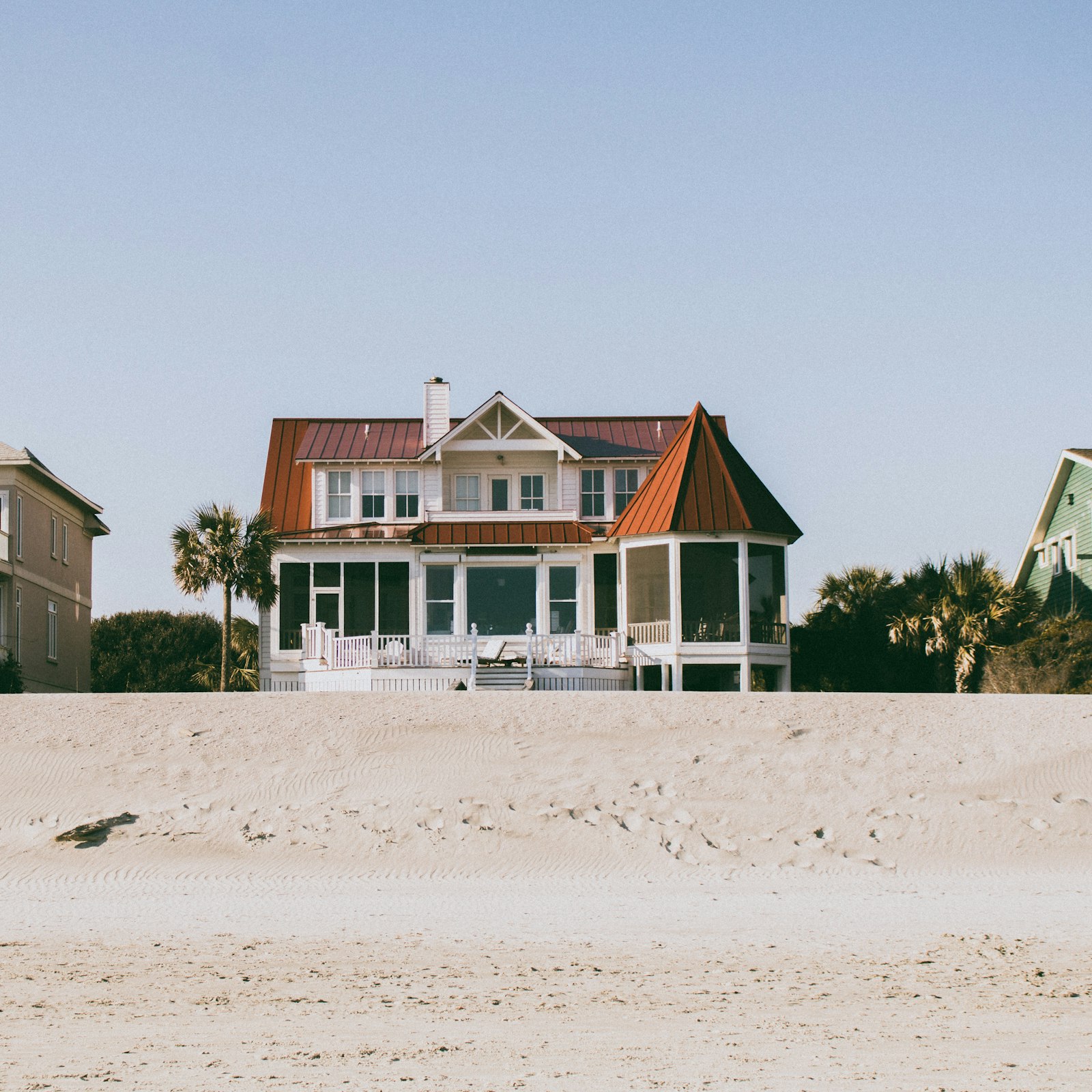
| Beach house | $2,800 to $7,500 | $233 to $625 |
| Portfolio (several properties) | Varies by portfolio | Varies |
Source: STR Guard Insurance, typical premiums "in our experience", checked October 27, 2026. Monthly figures are the annual range divided by 12 and rounded.
If you want to see what a premium does to your margins, add it to your yearly costs next to platform fees in our Airbnb fee calculator.
We asked Nate Jones what moves a short-term rental premium the most. He named three things.
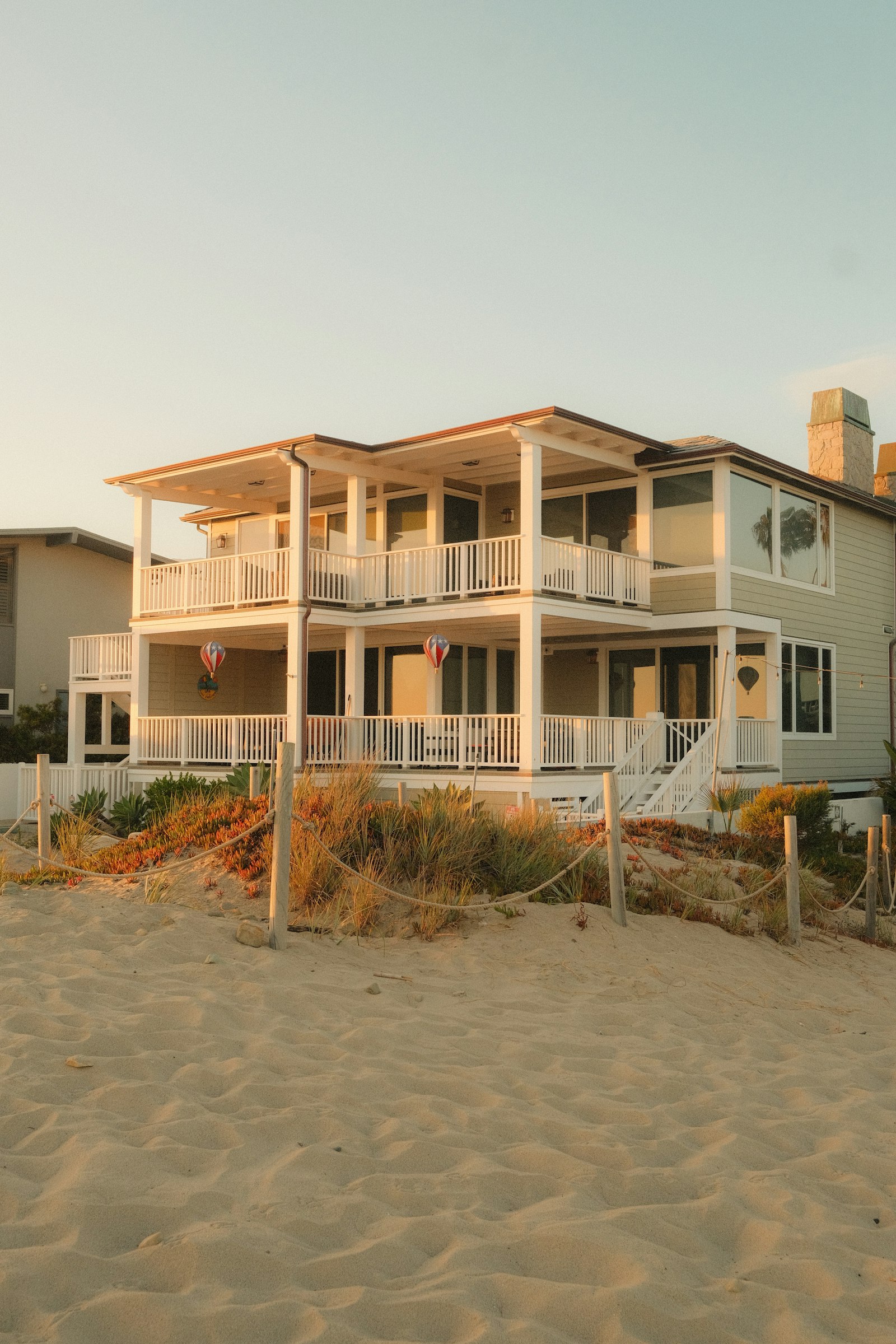
Higher risk areas cost more. Nate points to properties far from a fire station, homes in wildfire areas and homes near the coast. That is why the typical ranges for beach houses and mountain cabins run well above those for condos.

"Property insurance is valuing the property on its reconstruction value, not its market value. This means the insurance limit could be higher than its market value or lower. If the value is high, the premium is higher," says Nate Jones, CPCU, owner of STR Guard Insurance.
In practice, a modest home with high local building costs can carry a bigger dwelling limit than you expect, while an expensive home where most of the value is in the land can carry a smaller one.
Protective devices can bring your price down. "Having a fire alarm that reports or a burglar alarm that reports to the policy can save you 10 to 15%," says Nate Jones, CPCU, owner of STR Guard Insurance.
The key word is reports: a monitored alarm that alerts someone, not just a battery smoke detector that beeps in an empty house. Ask your agent which devices your carrier gives credit for and what proof it needs.
A proper STR policy is usually built from several coverage lines. These are the lines STR Guard Insurance writes for hosts.
| Coverage | What it is for |
|---|---|
| General liability | Claims that you are responsible for someone being hurt or their property being damaged |
| Property or dwelling | The building itself |
| Contents and furnishings | Furniture, linens, electronics and other items you supply for guests |
| Loss of rents | Rental income you lose while the home is out of action after a covered loss |
| Ordinance and law | Extra cost of rebuilding to meet current building codes |
| Flood | Flood damage, which needs its own coverage |
| Umbrella or excess | Extra liability limits above your main policy |
| Equipment breakdown | Systems and equipment such as HVAC and appliances |
| Cyber liability | Data and cyber incidents, relevant if you store guest data or run a booking site |
| Builder's risk | A property under construction or major renovation |
| Tenant discrimination liability | Claims alleging discrimination against a guest or tenant |
| Liquor liability | Claims connected to alcohol you provide or serve |
Exactly what each line covers depends on the carrier and the policy wording, so read the declarations page and exclusions before you buy.
No. AirCover for Hosts is useful and it is free, but it is not built to be your main protection. Here is what Airbnb's own pages say.
Source: AirCover for Hosts.
Sources: Host Damage Protection Terms (last updated August 1, 2026) and Host liability insurance on the Airbnb Help Center.
Think of AirCover as a backstop for guest-caused damage on Airbnb bookings. Fire, storms, a burst pipe that is nobody's fault, and lost income from a disaster all need your own policy.
"If you're relying on your home policy or a standard dwelling policy without the short-term rental endorsement, a property or liability claim could be denied. Having the correct policy with a short-term rental endorsement is important," says Nate Jones, CPCU, owner of STR Guard Insurance.
If you converted a home you already owned into an Airbnb, pull out your current policy and check whether short-term rental use is clearly covered. If it is not stated in writing, ask your agent to confirm it, or move to a policy that is built for STRs.
Getting a quote takes far less paperwork than most hosts expect. "Address and year of roof is the only thing we need," says Nate Jones, CPCU, owner of STR Guard Insurance.
STR Guard Insurance says it typically returns quotes in 1 to 2 hours during business hours. You can request a free STR Guard quote here.

STR Guard Insurance is an independent agency that focuses only on short-term rental insurance. It is a DBA of Wexford Insurance, LLC, founded by Nate Jones, CPCU, and Kami Jones, and based in Greenwood, Indiana.
Read more on its STR Guard service listing, or get a quote from STR Guard.
Note: STR Guard Insurance contributed expert input to this guide. This is not a paid placement, and STR Market rankings are never paid.
It is worth comparing more than one route. Two other options in our directory:
Check your local rules and your policy wording. Some cities and states set their own insurance or registration requirements for short-term rentals, and every policy has its own exclusions. Confirm the details with your city, your agent and the policy itself before you rely on any coverage.
Based on STR Guard Insurance's typical ranges, a single-family short-term rental costs about $1,400 to $3,200 a year, or roughly $117 to $267 a month. Condos and owner-occupied homes usually cost less, and beach houses can run to about $625 a month.
For most hosts, no. Airbnb says Host damage protection is not an insurance policy, and its terms exclude things like acts of nature, wear and tear, mold and most loss of use. It also only applies to Airbnb bookings. Airbnb itself recommends buying separate insurance.
Often not on its own. Nate Jones of STR Guard Insurance warns that a home policy or a standard dwelling policy without a short-term rental endorsement could lead to a property or liability claim being denied. Ask your insurer to confirm short-term rental use in writing.
Location is one of the biggest premium drivers. Homes near the coast, in wildfire areas or far from a fire station carry more risk, so they cost more. STR Guard's typical range for a beach house is $2,800 to $7,500 a year.
According to STR Guard Insurance, just the property address and the year of the roof.
Premiums change with the market, so get a current quote before you budget. Compare insurance and protection providers in our legal and insurance tools rankings or the full software directory.
