How to plan, design and market a themed Airbnb: theme ideas that book, design rules, trademark pitfalls and how to reach niche travelers.
Updated October 2026. Written and reviewed by the STR Market Superhost team.
Most listings compete on the same things: location, beds, price. A themed stay competes on the experience. Guests book it for a birthday, a honeymoon or simply because it looks like nowhere else, and they share the photos when they get there.
That is the opportunity. The risk is spending heavily on decor that looks dated in two years, breaks in a month or turns off everyone who is not a superfan. This guide covers how to choose a theme that books, how to design it so it stays comfortable and durable, and how to market it to the niche travelers who will pay for it.
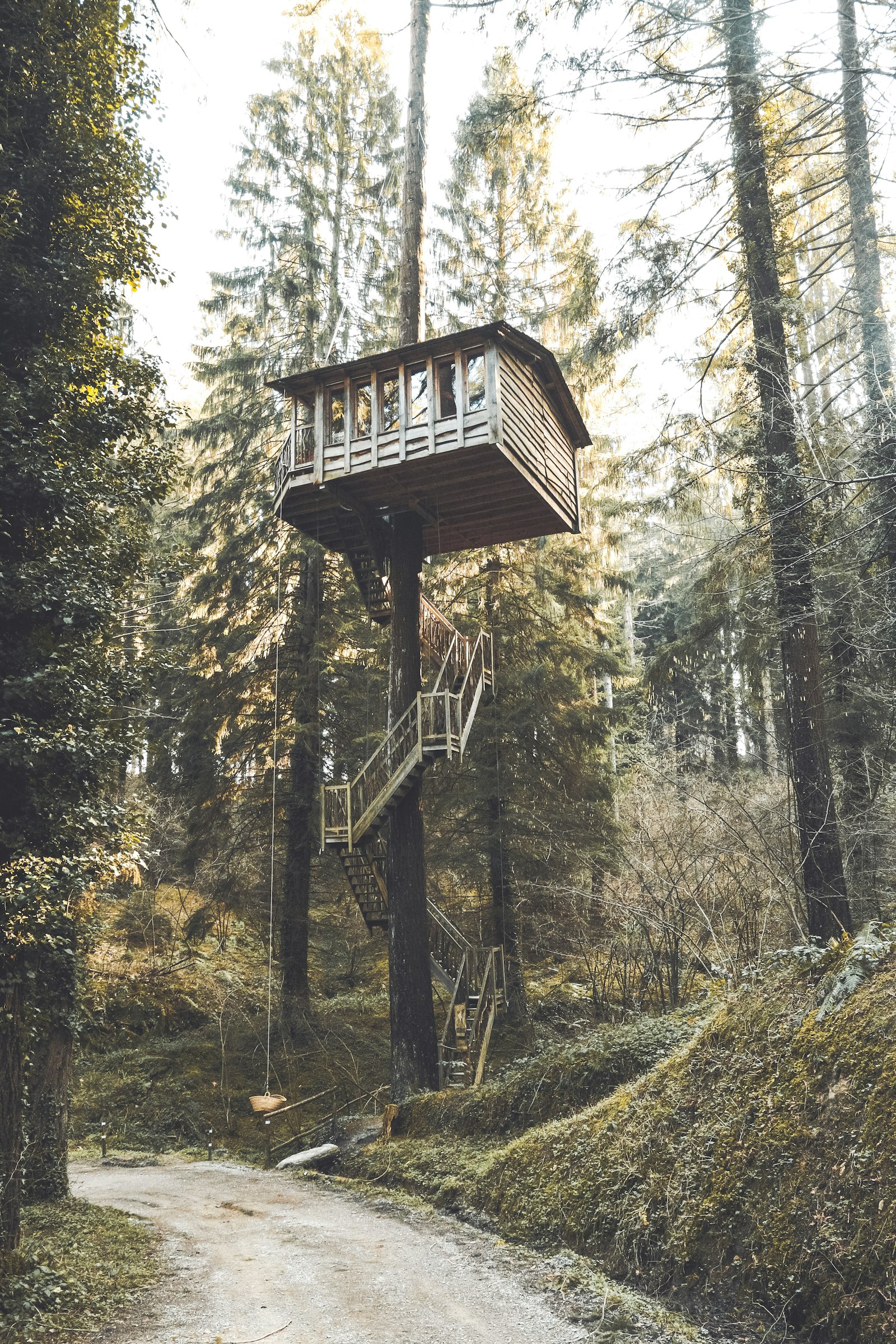
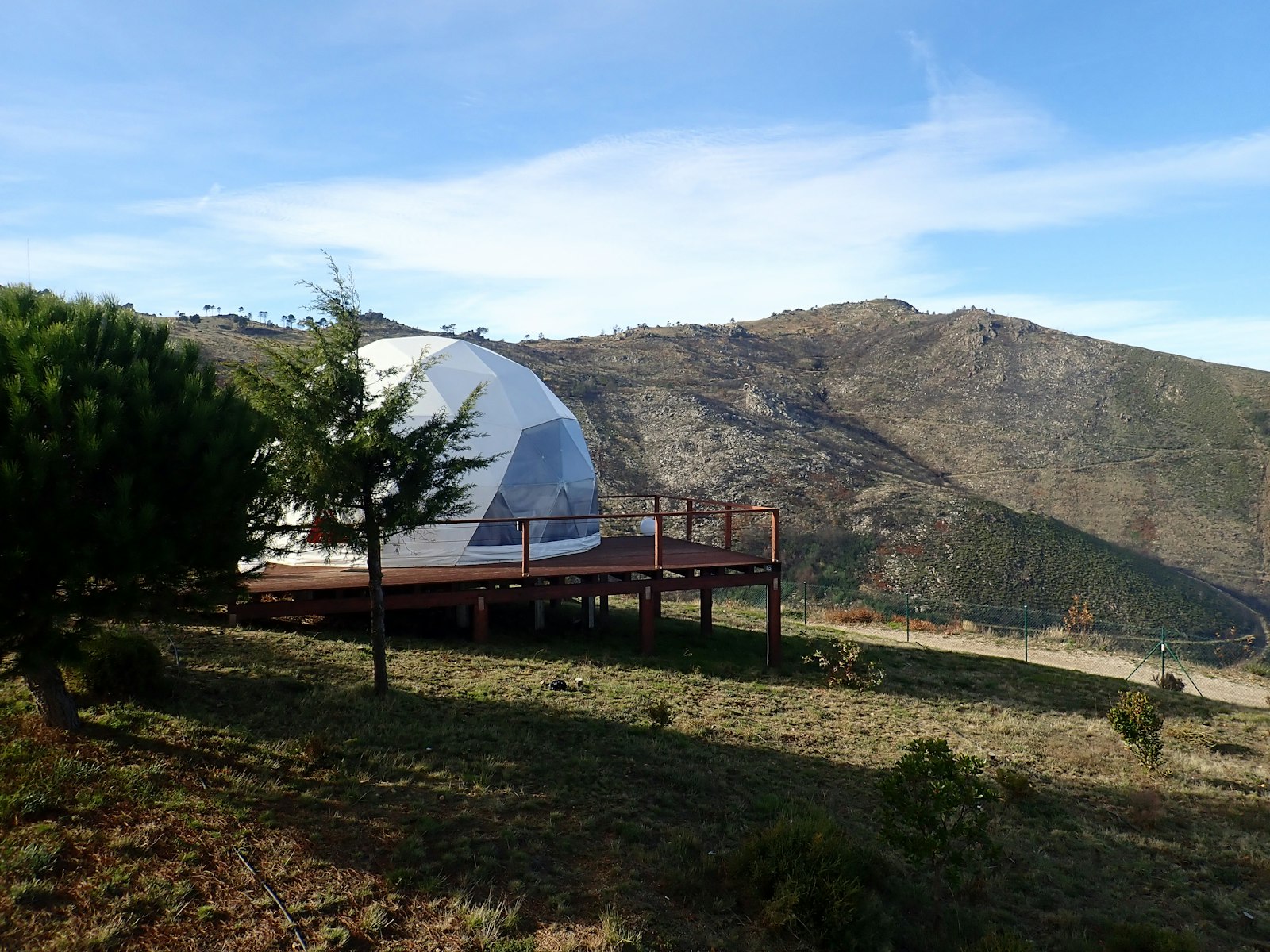
A themed stay has a clear concept that runs through the decor, amenities and guest experience. It ranges from fully unique structures, such as treehouses, domes and converted buses, to ordinary homes and apartments styled around one idea, such as a retro 1970s lounge, a surf shack or a Japanese-inspired minimalist retreat.
Unique stays have their own pull on Airbnb. In 2022 Airbnb reported that nights booked at unique properties rose nearly 50 percent globally between 2019 and 2021, and that unique listings earned nearly $1 billion in 2021. You do not need to build a treehouse to tap into that interest, but you do need a concept guests can picture in one sentence.
| Themed stay | Standard stay | |
|---|---|---|
| Stands out in search | Strongly, especially in photo-led results | Depends on price, location and reviews |
| Guest pool | Smaller, but more motivated | Broad |
| Upfront cost | Higher: custom decor, props, design time | Lower |
| Upkeep | More: props break, themes date | Standard turnover and refresh |
| Marketing | Easy to share and photograph | Harder to stand out on social |
A theme usually makes sense when your market is crowded with similar listings, your guests travel for leisure or celebrations, and you can commit to keeping the concept fresh. It is a weaker fit for corporate housing and long stays, where guests want a neutral, practical home.
| Theme | Best for | Works well in | Watch out for |
|---|---|---|---|
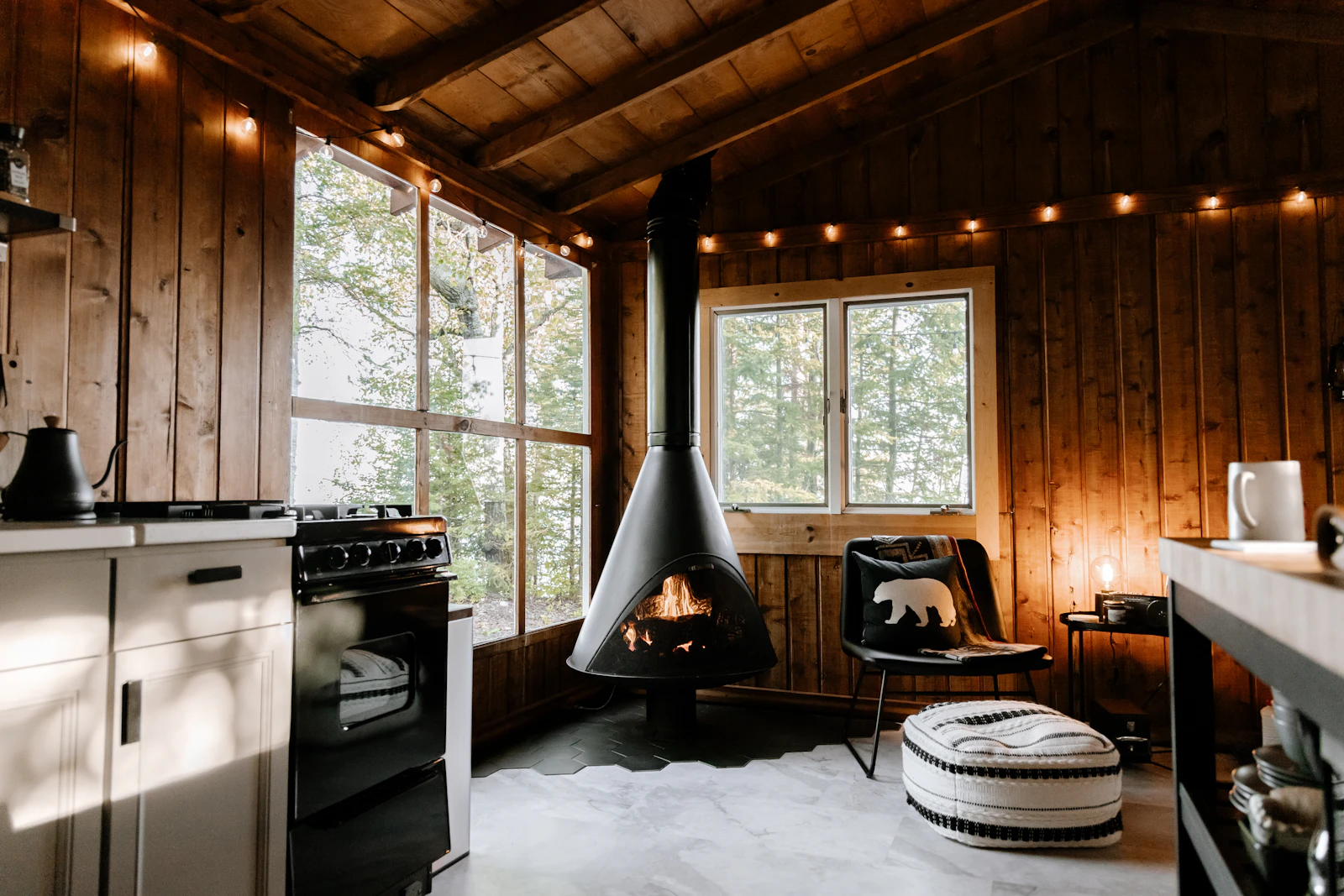
| Cozy cabin or alpine lodge | Couples, small groups | Mountains, lakes, ski towns | Fire safety for stoves and fire pits |
| Treehouse or dome | Couples, celebrations | Forests, rural land | Permits, access, weatherproofing |
| Retro decade (60s, 70s, 80s) | Friends, couples | City and suburban homes | Vintage pieces that are fragile or hard to replace |
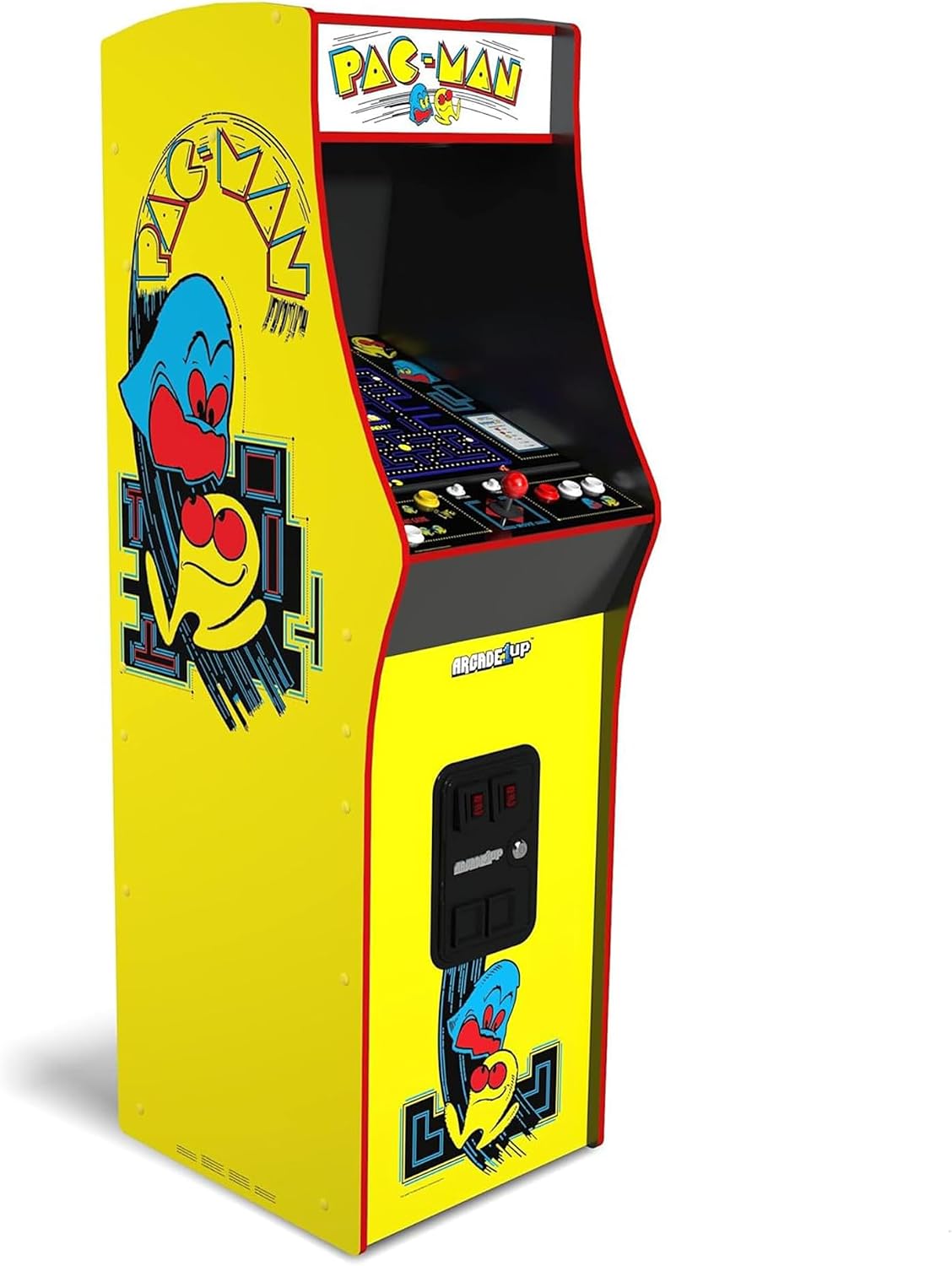
| Arcade or game house | Groups, families | Larger homes, tourist towns | Noise, wear on machines |
| Surf shack or coastal | Families, friends | Beach towns | Sand, salt and humidity damage |
| Japanese-inspired or zen retreat | Couples, wellness travelers | Quiet areas, small homes | Low beds and floor seating do not suit every guest |
| Art or gallery loft | Creatives, city breaks | Downtown apartments | Protecting original artwork |
| Fairytale or storybook cottage | Families, celebrations | Rural cottages, small homes | Looking childish to adult guests |
Guests will forgive a missing prop. They will not forgive a bad mattress, a cold shower or weak WiFi. Get the basics right before you spend on decor, using our Airbnb essentials checklist.
One or two bold items set the theme faster than dozens of small ones: a vintage arcade cabinet, a canopy bed, a wall mural, a feature light. They are also what guests photograph.
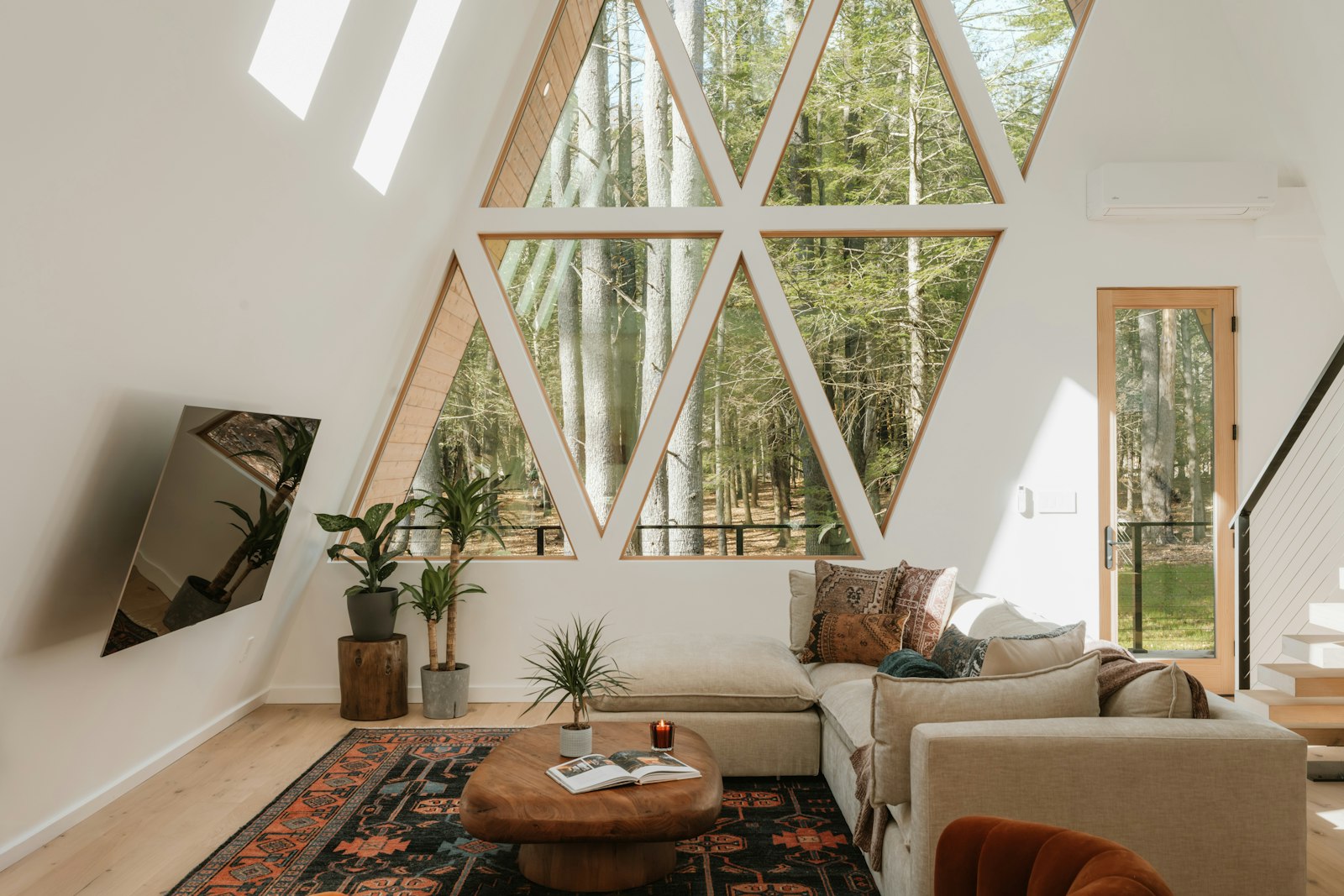
Wood, stone and wool feel like a cabin. Rattan, linen and plants feel coastal or tropical. Warm, dimmable lighting makes almost any theme look better in photos and in person.
Everything will be touched, sat on and moved. Fix props to walls, use washable fabrics and skip anything you cannot replace quickly.
Even a playful theme should feel stylish to grown-ups, who are usually the ones booking and paying.
Rooms built around a famous film, game or character can be popular, but using trademarked names, logos or copied artwork in your listing or decor can create legal problems. Use original designs and phrases like "wizard-inspired" or "space adventure" instead of brand names. The USPTO trademark basics page explains what trademarks protect. If in doubt, ask a lawyer.
The best themes go beyond decor into things guests can do.
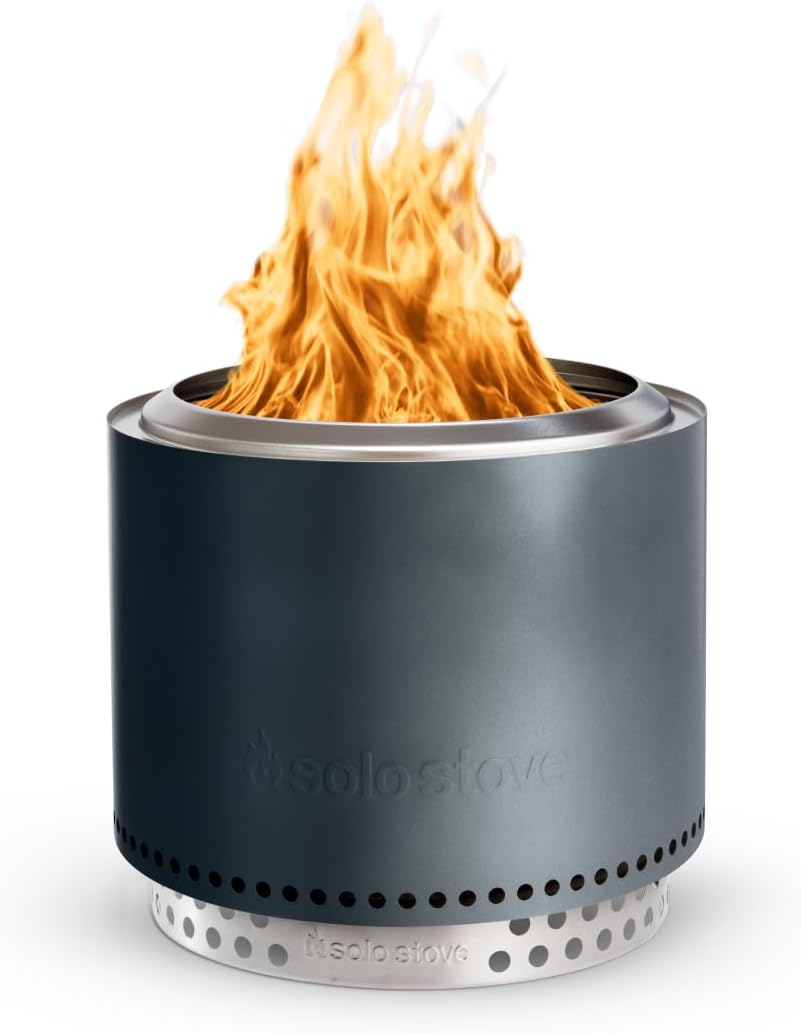
Local partners can extend the theme too: a wine tasting for a vineyard cottage, a surf lesson for a beach shack. See our guide to partnering with local businesses.
They can, when the theme fits the location and is done well, because a distinctive listing is easier to find, photograph and share. Results depend on your market, so compare similar listings nearby before you invest.
Cabins and A-frames, treehouses and domes, retro decades, arcade and game houses, coastal surf shacks and minimalist wellness retreats are all common. The best theme is the one that fits your building and destination.
It varies widely, from a few statement pieces in one room to a full custom build. Most hosts start with one hero room and the outdoor space, test how guests respond and expand from there.
Be careful. Trademarked names, logos and characters are protected, so use original designs and describe the stay as "inspired by" a genre rather than naming a brand.
Yes, and that is fine. A themed stay is built for a narrower group of guests who want exactly that experience. Keep the bedrooms and bathrooms comfortable and neutral enough that any guest would sleep well.
Ready to market your themed stay? Explore our marketing and SEO tools rankings.
