
How to run a pet-friendly Airbnb: what the data says, pet policy and fee templates, pet-proofing, cleaning and marketing tips for 2026.
Updated October 2026. Written and reviewed by the STR Market Superhost team.
Plenty of travelers will not leave their dog at home, and most short-term rentals still say no to pets. That gap is an opportunity. A home that genuinely welcomes pets stands out in filtered searches, attracts guests who plan around it and can earn more per night.
It also brings more hair, more wear and the occasional chewed cushion. This guide covers what the data says, how to set a clear pet policy and fee, the setup that protects your home and how to market a pet-friendly rental the right way.

Key Data, which tracks vacation rental performance, compared pet-friendly and non-pet-friendly US vacation rentals across 2022 in its analysis "Are pet-friendly vacation rentals taking over?":
| Metric (US, 2022) | Pet-friendly | Not pet-friendly |
|---|---|---|
| Adjusted paid occupancy | 54% | 48% |
| Average daily rate | $379 | $346 |
| Revenue per available night | $204 | $165 |
That is about a 9% higher nightly rate and 24% more revenue per available night. Yet only 22% of the US vacation rentals in Key Data's property manager inventory allowed pets, along with 27% of active Airbnb properties and 25% of Vrbo's US inventory in the same analysis. These are averages, not a guarantee for your home, but they show how few hosts compete for pet owners.
Your policy belongs in your listing's house rules before guests book. From November 20, 2026, Airbnb does not allow hosts to add new rules after booking or to charge fines, so be specific up front.
Pets are welcome!
1. Up to [2] dogs, [50 lbs] or under. Please add them to your reservation.
2. Keep pets off beds and sofas. Throws are in the hall closet if your dog likes to cuddle.
3. Please do not leave pets alone in the home unless they are crated.
4. Pick up after your pet in the yard and on walks. Bags are by the back door.
5. Service animals are always welcome.
For more wording ideas, see our house rules examples and templates.
Add a pet fee in your Airbnb pricing settings so it is part of the total guests see when they book. Under Airbnb's house rules and requests policy, fees for features you advertise must be included in the price at booking, and hosts cannot impose fines after the fact. If a pet causes real damage, document it and use Airbnb's damage claim process.
Most hosts charge a flat fee per stay that covers the extra cleaning. Check what similar pet-friendly listings near you charge and keep it reasonable, because a high fee can cancel out the booking advantage.
Airbnb's accessibility policy requires hosts to accept service animals even if the listing does not allow pets, and hosts cannot charge pet or cleaning fees for them. Emotional support animals can generally be treated as pets, except where local law requires otherwise, such as in California and New York for homes. Check the policy and your local rules.

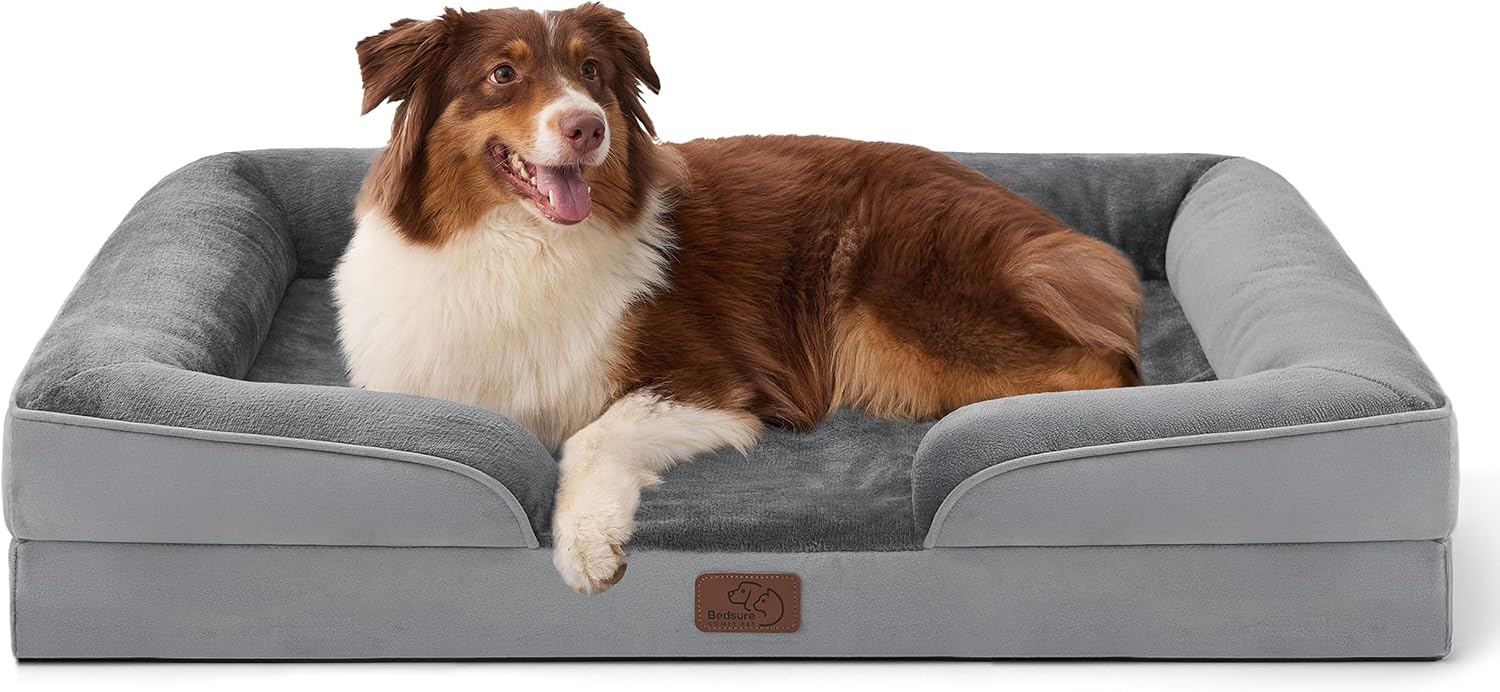
Airbnb suggests bowls for food and water and towels for wiping paws at the door in its guide to the amenities guests want. A good pet kit also includes:
Pet stays need more cleaning time, and that is what the pet fee is for. Tell your cleaner when a pet has stayed so they can plan for it.
Some guests have allergies, so be clear in your listing that pets are allowed and clean carefully between stays. See our short-term rental cleaning guide.
If your home has hard floors, outdoor space and a location pet owners visit, allowing pets can widen your guest pool and raise revenue. Key Data's 2022 analysis found pet-friendly US vacation rentals earned 24% more per available night. Start with limits, such as one dog under a set weight, and adjust as you learn.
Base it on the extra cleaning time and what similar pet-friendly listings near you charge. Add it in your Airbnb pricing settings so guests see it in the total at booking.
No. Airbnb's accessibility policy does not allow pet or cleaning fees for service animals, and hosts must accept them even with a no pets rule.
Take photos, keep receipts and contact Airbnb through its damage claim process. Airbnb does not allow host fines, so a clear policy, a pet fee and a protected home are your main safeguards.
Yes. Many hosts allow dogs only, or limit pets by size or number. State it clearly in your house rules so guests know before they book.
Protect your home with the right cover. Compare options in our legal and insurance tools rankings.
